

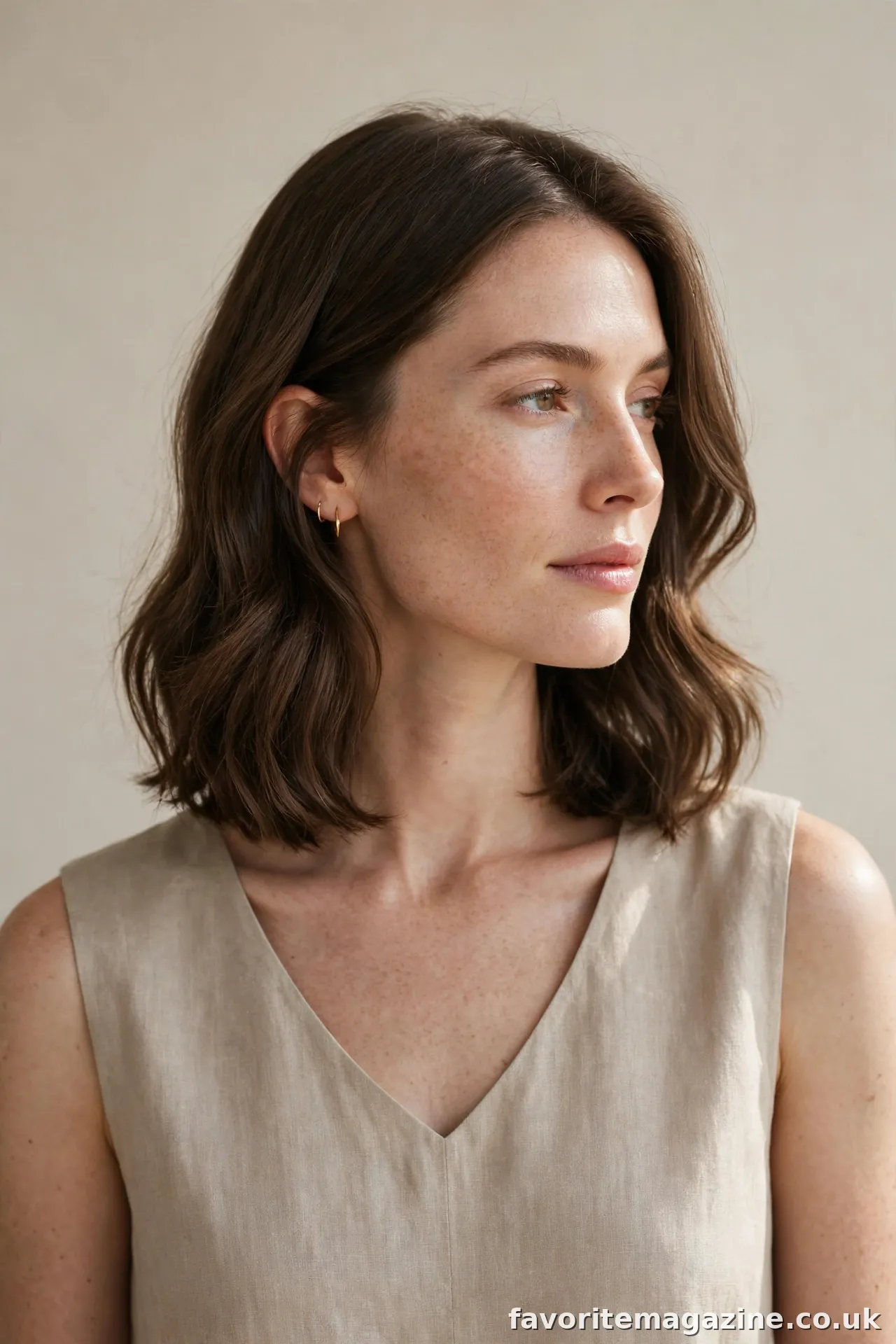
A lob is a long bob — a haircut that sits around the collarbone, longer than a classic bob and shorter than long hair. It is one of the easiest lengths to live with, because it holds a shape on its own and still goes up in a ponytail on a bad hair day. The quickest way to style one is to rough-dry it with your fingers, run a straightener through the ends with a slight bend, and finish with a light texturising spray. That is the whole routine, and it takes about ten minutes.
Everything in this guide builds on that simple base. Here is what actually works, in real life rather than just in a photo.
What Is a Lob, Exactly?
A lob is a long bob haircut. The length usually falls somewhere between the jaw and the collarbone, with most lobs sitting right at or just above the collarbone. It is cut blunt or with soft layers, and it can be worn with a middle part, a side part, or a fringe.
The reason the lob haircut has stayed popular is simple: it is the middle ground. Short enough to feel fresh and light, long enough to tie back, curl, or tuck behind the ears. A classic bob hairstyle can feel like a commitment, and long hair can feel like a lot of upkeep. The lob sits in between.
A lob also grows out well. Because the length is already past the chin, a few weeks of growth does not ruin the shape the way it can with a sharp jaw-length bob.
Who Does a Lob Suit?
Short answer: most people. The lob is one of the most flexible cuts out there, but the right length, parting and texture depend on your face shape and hair type.
Face shape
- Oval faces can wear almost any version of the lob. A centre part with the length hitting the collarbone is the most balanced look.
- Round faces suit a slightly longer lob with a side part. Length past the chin draws the eye down, and a side part breaks up the width.
- Square faces suit a lob with soft layers or gentle waves around the jaw. The movement softens a strong jawline far better than a hard blunt edge.
- Heart-shaped faces suit a lob with volume or waves through the ends. Fullness lower down balances a narrower chin.
- Long faces suit a lob that ends at the chin or just below it, with a fringe or soft layers at the front.
None of this is a hard rule — think of face shape as a starting point, not a restriction — and talk it through with your stylist before the cut.
Hair type
- Straight hair shows off a blunt lob best. The clean line is the whole point, so keep the ends sharp and the parting neat.
- Wavy hair is the easiest match for a lob. Natural wave gives the cut movement without any work.
- Curly hair works well with a lob, but go a touch longer — curls spring up as they dry, so a cut that looks collarbone-length when wet can end up much shorter.
- Fine hair suits a blunt lob. A blunt edge makes fine hair look thicker, because the ends carry more weight.
- Thick hair suits a lob with internal layers or some weight taken out underneath. Without that, a thick lob can feel heavy and sit too wide.
How to Style a Lob
Here are the five looks I come back to again and again. Each one starts from the same base — clean, towel-dried hair — and each takes under fifteen minutes.
1. Sleek and Straight
This is the polished version, and it suits a blunt lob best.
- Rough-dry your hair until it is about 80 percent dry, pointing the dryer down the hair shaft.
- Add a small amount of serum through the mid-lengths and ends.
- Run a straightener through in sections, keeping the plates moving so you do not leave marks.
- Bend the ends very slightly under at the last second for a soft finish, or keep them dead straight for a sharper look.
The trick with a sleek lob is the parting. A neat centre part looks modern and clean. A deep side part looks more glamorous. Pick one and commit to it — a wobbly parting ruins the whole effect.
2. Soft Waves
This is the everyday look, and the one most people mean when they ask how to style a lob.
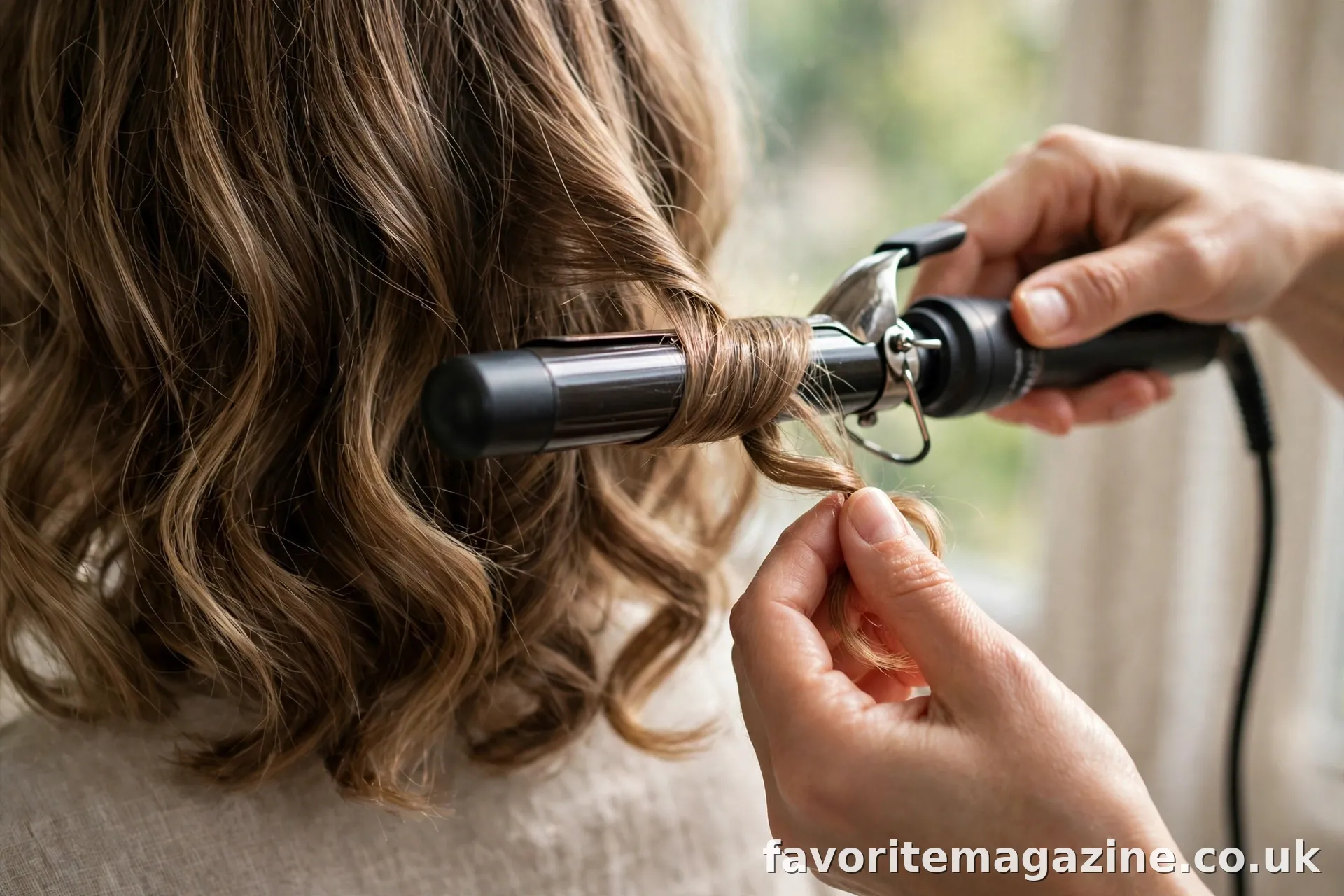
- Rough-dry with your fingers, lifting at the roots for a little volume.
- Once dry, wrap random sections around a curling wand, leaving the ends out for a relaxed finish.
- Alternate the direction of each section. Curls that all go the same way look done; curls that alternate look natural.
- Let the waves cool for a minute, then shake them out with your fingers. Do not brush them.
- Finish with a light texturising spray through the mid-lengths.
If your hair holds a wave well, you can skip the wand entirely and braid damp hair loosely before bed. Undo it in the morning and shake it out for soft waves with no heat at all.
3. Textured Ends and a Curled-Under Finish
This is a good middle option between sleek and wavy — neat, but with movement.
- Blow-dry with a round brush, turning the ends under as you go.
- Or use a straightener: clamp near the ends and flick your wrist under.
- Add a pea-sized amount of styling cream to the ends only, to separate them slightly.
4. The Half-Up Lob
A lob is long enough for a half-up style, and it is one of the quickest ways to change the look without heat.
- Take the top section from above the ears and gather it at the crown.
- Twist it once or twice and pin it, or tie it with a small elastic.
- Leave the front pieces out to frame the face.
This is the style I recommend most for second-day hair. It hides flat roots, shows off the length, and takes about a minute.
5. Hair Accessories
A lob is the ideal length for accessories. Clips, slides and headbands sit well on it because there is enough hair to hold them and enough length to balance them.
- Flat clips: slide one or two above the ear on one side for a neat, editorial feel.
- A slim headband: push it back about two centimetres from the hairline. It works with straight or wavy hair and keeps the front out of the way.
- A silk scarf: tie it as a headband or wrap it around a low ponytail. Keep the rest of the hair simple so the scarf does the talking.
- A claw clip: twist the hair up and clip it at the back. A lob is just long enough for this, and it is the easiest updo there is.
The Tools and Products That Actually Help
You do not need a drawer full of products for a lob. Four things cover nearly every look.
- A good hairdryer with a nozzle. The nozzle matters more than the brand. It directs the air down the hair and keeps frizz down.
- A straightener. This is the most useful tool for a lob — it straightens, bends the ends under, and can make soft waves if you twist as you pull through.
- A curling wand. Pick a medium barrel. A very thin barrel gives tight curls that do not suit most lobs; a very wide one barely bends the hair.
- A light texturising spray. This is the one product I would buy first. It gives grip and movement without weight, and it works on straight, wavy and curly hair.
Add a serum for shine and a heat protectant if you use hot tools often. That is the full kit. For fine hair, less is genuinely more — heavy creams and oils drag a fine lob flat within an hour.
One note on heat: use the lowest setting that gets the job done. A lob is short enough that each section heats through fast, so you rarely need the top setting.
Keeping a Lob Fresh Between Cuts
A lob holds its shape for longer than a short bob, but it still needs a little care between appointments.
- Trim every 8 to 10 weeks. That is usually enough to keep the ends neat without losing length.
- Sleep on a silk or satin pillowcase. It cuts down morning frizz and keeps waves from the night before looking presentable.
- Dry shampoo on day two or three. Spray it at the roots, wait a minute, then rub it in with your fingers.
- Do not over-wash. Most hair types do well washed two or three times a week, with dry shampoo in between.
- Protect the ends. A small amount of serum on the ends before bed keeps them from splitting and makes the morning style easier.
Mistakes I See All the Time
These are the errors that turn a good lob into a frustrating one.
- Too much heat, too often. Daily straightening at high heat dries the ends out, and dry ends will not hold any style.
- The wrong parting for your face. A centre part suits most people, but if your hair naturally falls to one side, fighting it every morning is a losing battle.
- Heavy products on fine hair. Rich creams, oils and thick balms weigh fine hair down. If your lob goes flat an hour after styling, the product is the problem, not the cut.
- Cutting it too short by accident. Wet hair hangs longer than dry hair, and curly hair springs up as it dries.
- Skipping the trim. A lob that has not been trimmed in three months does not look like a lob any more — it looks like long hair that lost its shape.
- Over-styling it. A lob looks best when it moves. If every strand is pinned and sprayed, it loses the easy quality that makes the cut work.
Frequently Asked Questions
How long does a lob take to style in the morning?
About ten minutes for most looks. A sleek blow-dry takes a little longer, a half-up style about a minute. If your hair air-dries with a natural wave, you may need no styling at all — just a quick shake and a little texturising spray.
Does a lob suit fine hair?
Yes, and it is one of the best cuts for fine hair. A blunt lob makes the ends look thicker because the weight sits at one level. Keep layering light and avoid heavy oils and creams that flatten fine hair.
Can you tie a lob up?
Yes. A collarbone-length lob goes into a low ponytail, a half-up style, and a small twisted bun. A chin-length lob is harder to tie up, so if you want the option of putting your hair up, keep the length at or below the collarbone.
How often should you trim a lob?
Every 8 to 10 weeks is right for most people. That keeps the ends neat and the shape clear without losing length. If you like a very sharp blunt edge, aim closer to every 6 weeks.
What is the best parting for a lob?
A centre part is the most modern and works well on oval and heart-shaped faces. A side part adds volume and suits round and square faces. The honest answer is to follow the way your hair naturally falls — a parting you fight every morning will never look as good as one your hair wants to sit in.