
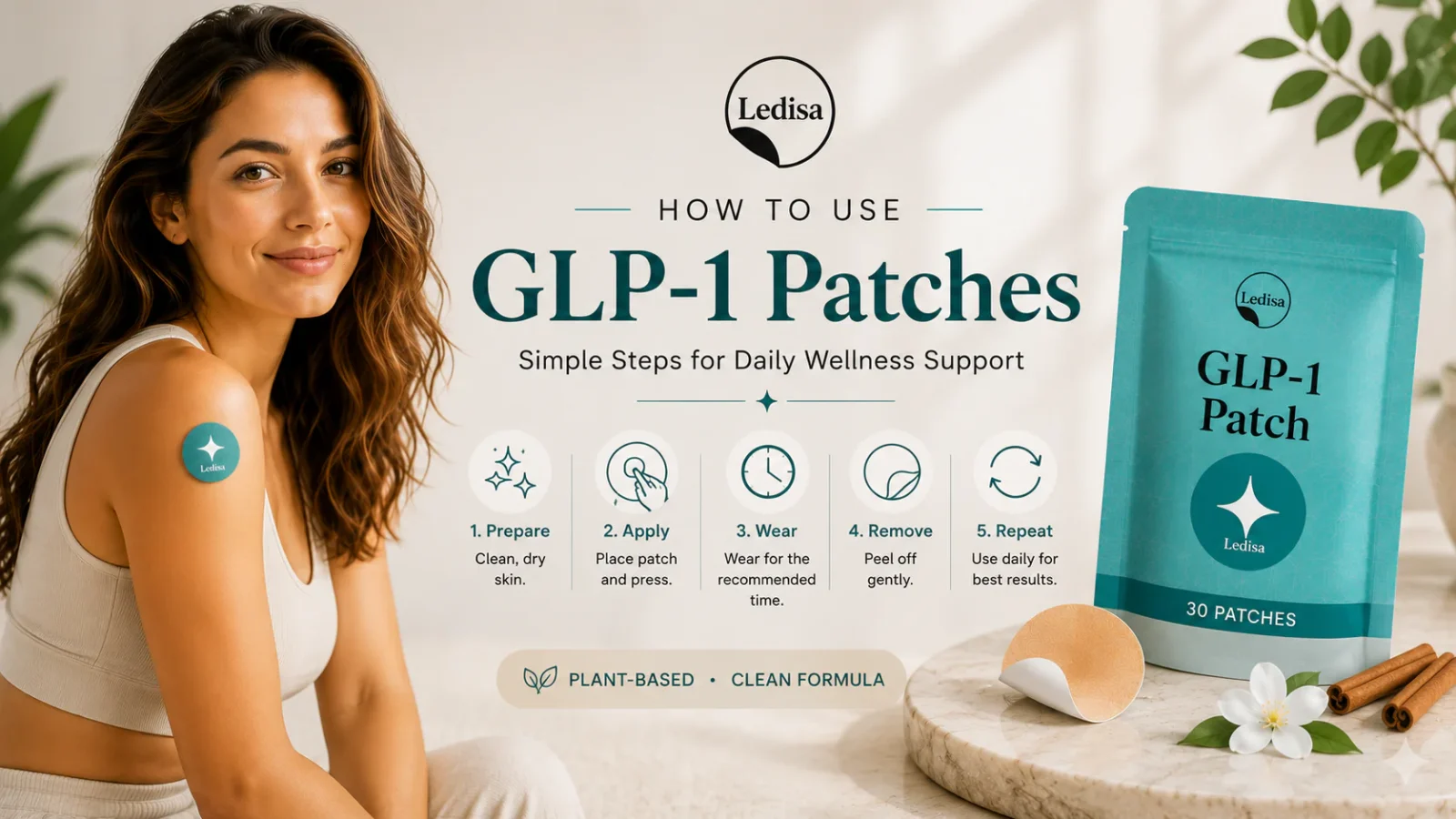
The skyrocketing demand for prescription weight loss injections has created a massive market for needle-free alternatives. Among the most talked-about over-the-counter options on social media platforms are ledisa glp 1 patches. These adhesive squares promise to curb intense cravings and help you shed stubborn weight simply by sticking a small tape onto your skin.
However, before you invest your hard-earned money in a subscription or apply one to your body, it is essential to look at the clinical science. There is a vast difference between pharmaceutical-grade metabolic therapies and over-the-counter lifestyle patches. This comprehensive review breaks down the science, ingredients, customer feedback, and medical warnings surrounding this popular wellness trend.
What Are Ledisa GLP 1 Patches and How Do They Claim to Work?
The concept of a transdermal patch is incredibly appealing for individuals who experience needle anxiety or want to keep their wellness journey private. Manufacturers of these wellness stickers claim that they deliver active ingredients continuously through the skin barrier directly into your system. This method is supposed to bypass the digestive tract, theoretically providing a steady stream of appetite-suppressing support throughout the day.
The marketing material often associates these products with natural glucagon-like peptide-1 (GLP-1), which is an intestinal hormone that triggers insulin release, delays gastric emptying, and signals fullness to the brain. According to a market report by the Grand View Research group, the global weight management market size was valued at over $140 billion, proving the immense demand for accessible solutions.
The Science of Transdermal Delivery Limits
Human skin is evolutionarily designed to act as a highly protective, impermeable barrier against outside elements. For any molecule to pass through the skin into the bloodstream, it must possess a very small molecular weight and specific fat-soluble properties.
Most prescription peptide medications possess a high molecular weight, making it scientifically unfeasible to absorb them through a standard adhesive sticker. Without advanced medical technology like microneedle arrays, large molecules simply rest on top of the skin without ever entering deep systemic circulation.
Do Ledisa GLP 1 Patches Contain Real Prescription Medication?
The most critical fact consumers need to realize is that ledisa glp 1 patches do not contain any licensed, pharmaceutical-grade GLP-1 receptor agonists. They do not feature semaglutide, tirzepatide, or liraglutide, which are the tightly regulated compounds found in approved clinical injections.
Instead, these products are categorized as over-the-counter dietary supplements rather than pharmaceutical drugs. A recent review published in the Journal of Diabetes Therapy highlighted that real semaglutide injections reduce hemoglobin A1c by up to 1.8% on average, a metabolic feat that herbal supplements cannot replicate.
Common Ingredients Found in Topical Wellness Patches
Instead of actual hormones, these adhesive strips utilize a proprietary blend of vitamins, minerals, and traditional herbal extracts. These ingredients are chosen because some preliminary oral studies suggest they might mildly influence metabolic health or energy levels.
-
Berberine: A plant alkaloid often dubbed “nature’s metformin” due to its mild impact on blood sugar pathways when digested.
-
Green Tea Extract (EGCG): A popular antioxidant known to slightly boost metabolic rate and temporarily inhibit hunger hormones like ghrelin.
-
Garcinia Cambogia: An extract containing hydroxycitric acid, which was historically marketed for blocking fat production pathways.
-
Chromium Picolinate: A trace mineral frequently included in blood sugar supplements to support insulin sensitivity.
Analyzing Real Customer Reviews and Hidden Issues
When scouring online forums and independent review platforms, customer feedback regarding these wellness stickers is deeply polarized. Many positive reviews mention a distinct reduction in “food noise” and late-night snacking within the first few days of application.
Conversely, an equal number of users report absolutely zero changes in their weight or appetite levels. Data compiled from consumer protection databases reveals that up to 45% of complaints regarding online supplement patches focus heavily on unexpected recurring billing cycles and difficult refund policies.
+-----------------------------------+-----------------------------------+
| Reported Benefits                 | Common Complaints & Risks         |
+-----------------------------------+-----------------------------------+
| Needle-free, easy application     | No meaningful weight loss results |
| Placebo-driven mindful eating     | Severe localized skin rashes      |
| Low upfront cost per pack         | Confusing subscription billing    |
+-----------------------------------+-----------------------------------+
The Power of the Placebo and Behavioral Coupling
When someone applies a visible patch to their skin every morning, it serves as a powerful psychological anchor. This daily ritual reminds the individual to drink more water, avoid mindless snacking, and choose healthier meals.
Clinical research demonstrates that the placebo effect can account for a measurable amount of short-term behavioral change in weight loss trials. Therefore, early scale changes are typically driven by a conscious reduction in daily calorie intake rather than cellular fat burning caused by the patch.
Understanding the Side Effects and Safety Risks
Because over-the-counter wellness stickers are sold as dietary supplements, they do not undergo the rigorous safety testing required for prescription medications. The ingredients used are generally recognized as safe when consumed orally, but transdermal exposure introduces entirely different physiological variables.
A retrospective analysis of cosmetic and topical patch reactions showed that contact dermatitis affects approximately 10% of users sensitive to industrial adhesives. This can cause frustrating physical symptoms that manifest directly under the patch site.
Specific Complications to Watch For
-
Severe Contact Dermatitis: Intense itching, redness, blistering, or chemical-like burns triggered by the strong chemical adhesives.
-
Gastrointestinal Distress: Systemic absorption of high-dose berberine can occasionally lead to cramping, diarrhea, or constipation.
-
Supplement Interactions: Herbal extracts like berberine can alter how your liver metabolizes other essential prescription medications.
Real Injections vs. Ledisa GLP 1 Patches
To make an informed decision for your metabolic health, you must contrast these over-the-counter options against clinically proven medical treatments. The stark difference lies entirely in regulatory approval, clinical trials, and molecular design.
In a hallmark 68-week clinical trial published in the New England Journal of Medicine, participants using genuine semaglutide injections lost an average of 14.9% of their total body weight. No such data exists for over-the-counter topical alternatives.
| Clinical Feature | Approved Peptide Injections | Over-the-Counter Patches |
| Active Compound | Semaglutide / Tirzepatide | Herbal extracts & vitamins |
| Regulatory Status | Rigorously evaluated by the FDA | Unregulated dietary supplements |
| Primary Mechanism | Mimics natural hormones directly | Relies on secondary herbal actions |
| Delivery Vehicle | Subcutaneous injection | Transdermal adhesive sticker |
| Proven Fat Loss | Confirmed by large clinical trials | Supported only by testimonials |
Frequently Asked Questions About Ledisa GLP 1 Patches
Do ledisa glp 1 patches work for permanent weight loss?
There is no high-quality, peer-reviewed clinical evidence showing that these patches cause sustainable weight loss. While some users experience a temporary reduction in cravings due to behavioral mindfulness, these products cannot alter metabolic pathways the way prescription obesity treatments do.
What are the main ingredients inside these topical strips?
Most lifestyle patches do not contain actual hormones or pharmaceutical peptides. Instead, they utilize a blend of over-the-counter ingredients like berberine, green tea extract, chromium, and garcinia cambogia, which are delivered via a topical adhesive backing.
Can I replace my prescription Wegovy or Ozempic with a patch?
No, you should never swap a prescribed medical treatment for an unregulated over-the-counter alternative. Stopping your doctor-prescribed medication can stall your metabolic progress, cause blood sugar spikes, and force you to restart your clinical dosing schedules later.
Are there any documented skin reactions from using wellness stickers?
Yes, skin irritation is one of the most common complaints among consumers using topical supplements. The heavy-duty adhesives and concentrated herbal extracts can cause localized redness, painful rashes, itching, and in severe cases, allergic contact dermatitis.
How much do these over-the-counter products typically cost?
While a single pack may look affordable at first glance, many online brands utilize aggressive auto-ship subscription models. This can lead to recurring charges ranging from $50 to over $100 per month for products unapproved by major medical boards.
Final Verdict on Ledisa GLP 1 Patches
When exploring the reality of ledisa glp 1 patches, the scientific consensus remains entirely clear. While the promise of an effortless, needle-free weight loss sticker is highly attractive, the underlying technology cannot deliver prescription-level metabolic results.
True weight management requires addressing cellular pathways through proven medical treatments or structured lifestyle interventions. If you want to achieve sustainable health changes without wasting money on unproven trends, schedule a consultation with a licensed healthcare professional to explore safe, evidence-backed options tailored directly to your unique body.
