
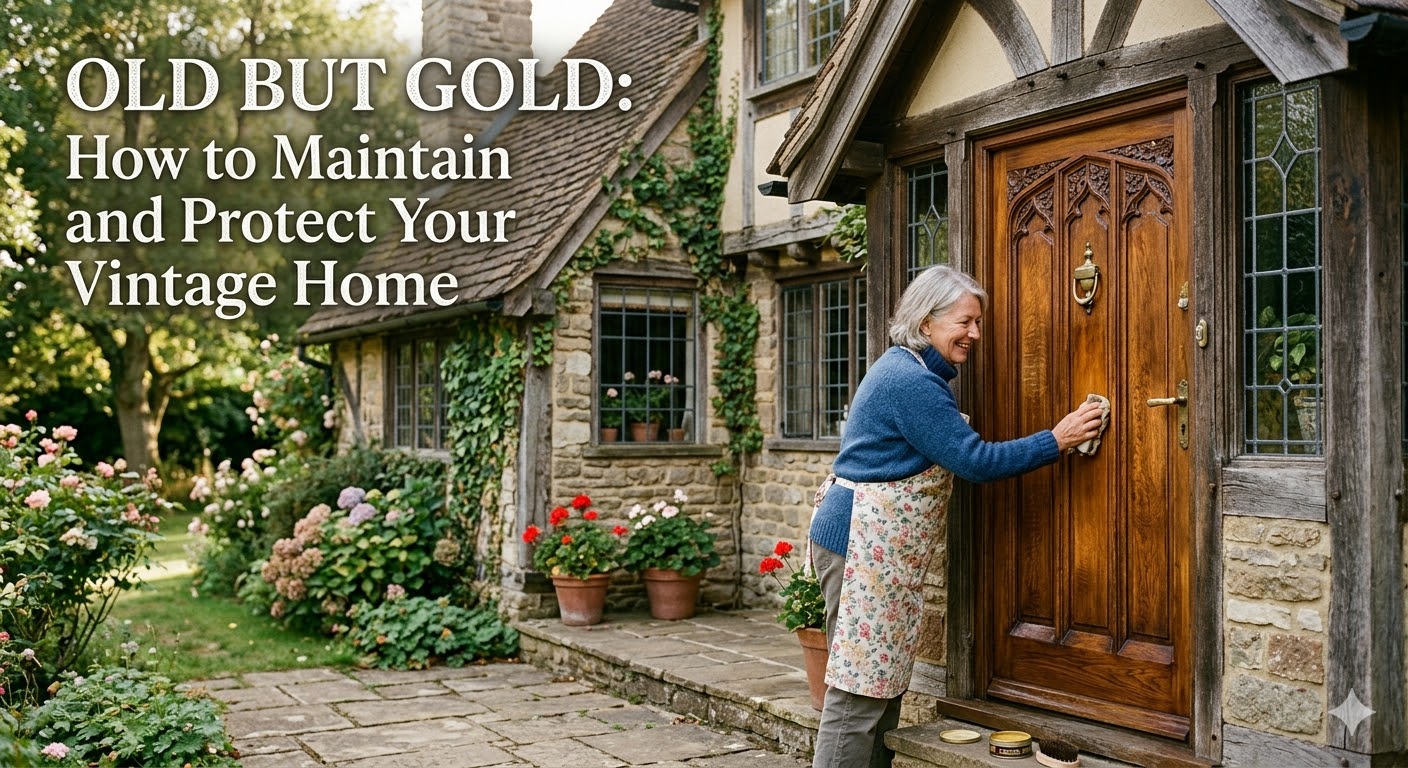
There’s something undeniably special about owning a vintage home. From intricate woodwork and classic architectural details to a sense of history that modern builds often lack, older homes carry a charm that’s hard to replicate. However, maintaining that beauty requires a proactive approach. With the right care and attention, your “old but gold” property can remain safe, functional, and stunning for generations.
Understand Your Home’s Unique Needs
Every vintage home has its own story—and its own set of maintenance challenges. Unlike newer houses, older properties may have outdated systems, aging materials, or structural quirks. Start by learning about your home’s construction, including the type of plumbing, electrical systems, and materials used. This knowledge will help you anticipate issues before they become costly problems.
A professional inspection is a great first step. Experts can identify hidden concerns such as foundation shifts, roof damage, or outdated wiring that might not be obvious at first glance.
Stay Ahead with Regular Inspections
Routine inspections are the backbone of proper maintenance. Instead of waiting for something to break, make it a habit to check key areas of your home regularly. Focus on:
- Roofing for leaks or missing shingles
- Gutters for blockages or damage
- Windows and doors for drafts or rot
- Foundation for cracks or moisture issues
Catching small issues early can save you significant time and money. Preventive care is always more affordable than major repairs.
Preserve Original Features
One of the greatest advantages of a vintage home is its unique character. Elements like hardwood floors, crown moldings, and antique fixtures add timeless appeal. Whenever possible, opt to restore rather than replace these features.
For example, refinishing old wood floors can bring them back to life, while repairing original windows can maintain authenticity while improving efficiency. Preservation not only protects your home’s aesthetic but can also increase its value.
Upgrade Systems Thoughtfully
While preserving charm is important, modernizing certain systems is essential for safety and comfort. Electrical wiring, plumbing, and heating systems in older homes often need updates to meet current standards.
When upgrading, aim for a balance between functionality and preservation. For instance, you can install modern insulation or energy-efficient systems without compromising the home’s original look. If your heating system is outdated, consider professional services like furnace repair in Cottonwood Heights to ensure your home stays warm and efficient during colder months.
Manage Moisture and Ventilation
Moisture is one of the biggest threats to older homes. Over time, excess humidity can lead to mold, mildew, and structural damage. Proper ventilation is key to preventing these issues.
Make sure bathrooms, kitchens, and basements are well-ventilated. Use dehumidifiers if necessary, especially in damp areas. Additionally, ensure your gutters and downspouts direct water away from the foundation to avoid long-term damage.
Keep Up with Exterior Maintenance
The exterior of your home serves as the first line of defense against the elements. Regular upkeep helps protect the structure and maintain curb appeal.
- Repaint or reseal wood surfaces to prevent weather damage
- Repair cracks in siding or masonry promptly
- Maintain landscaping to prevent overgrowth from damaging the structure
A well-maintained exterior not only enhances beauty but also shields your home from costly deterioration.
Be Mindful of Materials
Older homes often feature materials that are no longer commonly used, such as plaster walls or certain types of wood. When making repairs, it’s important to use compatible materials to avoid causing further damage.
For example, using modern drywall patches on plaster walls without proper techniques can lead to cracking. Consulting specialists familiar with vintage homes ensures repairs are done correctly and respectfully.
Create a Maintenance Schedule
Consistency is key when caring for an older home. Develop a seasonal or annual maintenance plan that includes inspections, cleaning, and minor repairs. Breaking tasks into manageable steps makes upkeep less overwhelming and ensures nothing is overlooked.
A simple checklist can help you stay organized and proactive, keeping your home in excellent condition year-round.
Protect Your Investment
Owning a vintage home is both a privilege and a responsibility. With proper care, these homes can stand strong for decades—or even centuries. Regular maintenance not only preserves their charm but also protects your financial investment.
By staying attentive, addressing issues early, and respecting the home’s original character, you can enjoy the best of both worlds: timeless beauty and modern comfort.
In the end, maintaining a vintage home isn’t just about repairs—it’s about honoring its history while ensuring it remains a safe and welcoming space for the future.