Connect with us

Health

The Evolution of Katy Davis Agriscience: Cultivating the Next Generation of Agricultural Leaders

Published

on

katy davis agriscience

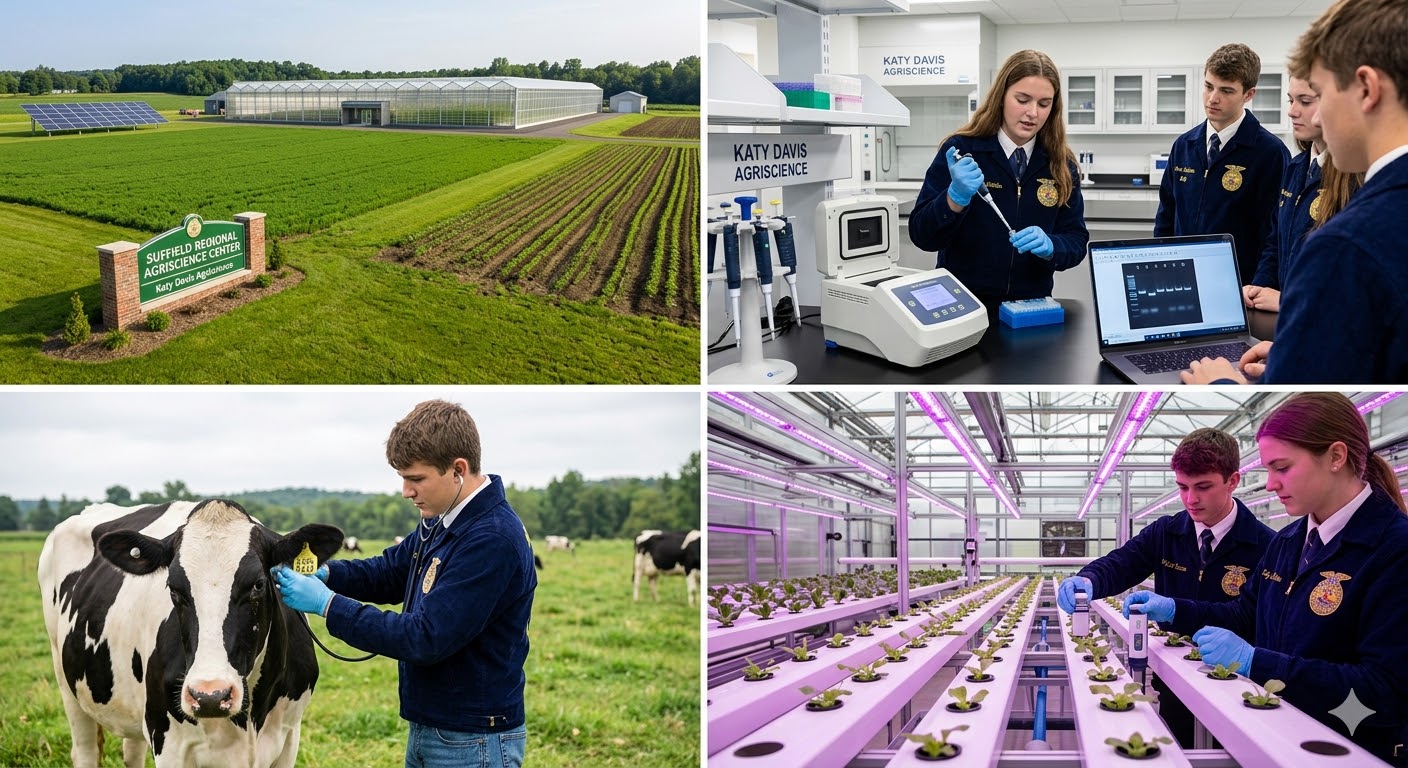
In the rapidly shifting landscape of modern industry, the field of Katy Davis Agriscience stands as a beacon for educational innovation and sustainable development. Agriculture is no longer just about “cows, sows, and plows”; it has transformed into a high-tech sector requiring expertise in genomics, data science, and environmental advocacy. Leading this charge is Katy Davis, an educator and advocate whose work at the Suffield Regional Agriscience Center has redefined what it means to prepare students for a bio-centric future.

By bridging the gap between traditional farming practices and cutting-edge biotechnology, Katy Davis has created a model for agriscience that is both rigorous and accessible. Her approach emphasizes that the classroom is merely a home base, while the real learning happens in the dairy barns, the greenhouses, and the halls of legislative power. This holistic view of agricultural education ensures that students aren’t just learning facts; they are developing the technical skills and leadership qualities necessary to solve global food security challenges.


The Foundations of Modern Agriscience Education

The success of Katy Davis Agriscience is built on a foundation of academic excellence and real-world application. Davis, a graduate of the University of Connecticut (UConn), brings a wealth of practical experience from her time working on dairy farms and studying natural resources. This background informs a curriculum that treats agriculture as a complex web of interconnected systems—ranging from soil health to international trade.

Hands-On Learning and Technical Mastery

One of the hallmarks of the program is the emphasis on experiential learning. In an era where digital simulations often replace physical interaction, Davis insists on tactile experiences. Students under her guidance don’t just read about livestock; they manage them.

  • Livestock Management: Students learn the nuances of animal husbandry, nutrition, and veterinary science.

  • Certification Pathways: Davis has even gone as far as obtaining her Commercial Driver’s License (CDL) to ensure students can transport livestock to various exhibitions and competitions.

  • Global Perspectives: Initiatives like student trips to Iceland allow learners to compare diverse agricultural ecosystems and sustainable energy practices.

See also  Spreading the Cost of Private Healthcare What UK Consumers Should Know

FFA Leadership and the Power of Advocacy

You cannot discuss Katy Davis Agriscience without highlighting the pivotal role of the Future Farmers of America (FFA). As a mentor for the Suffield FFA chapter, Davis uses the organization’s framework to instill a sense of civic duty and professional polish in her students. The FFA provides a platform for Supervised Agricultural Experiences (SAE), which are essentially independent projects that allow students to explore specific career paths.

Legislative Impact and Policy

Katy Davis is not content with staying within the confines of the school district. She has become a vocal advocate for agricultural literacy at the state level. In 2022, she provided testimony to the Connecticut General Assembly regarding funding for regional agriscience centers.

Her argument was clear: these centers are not just “elective” programs; they are essential engines for the blue-collar and green-collar economies. By securing funding and public interest, she ensures that the infrastructure for sustainable farming and environmental stewardship remains robust for years to come.


Integrating STEM and Biotechnology in the Classroom

The “science” in Katy Davis Agriscience is heavy on STEM (Science, Technology, Engineering, and Mathematics). The modern agriculturalist must be part chemist, part engineer, and part data analyst. Davis has been instrumental in aligning her courses with higher education standards, specifically through the UConn Early College Experience (ECE) program.

Plant Breeding and Genetic Innovation

By offering college-level courses in plant breeding and biotechnology, Davis provides her students with a significant head start. These courses cover:

  1. Genetic Mapping: Understanding how specific traits are passed down in crops to increase yield and pest resistance.

  2. Hydroponics & Aquaponics: Exploring soil-less growing methods that are crucial for urban agriculture.

  3. Climate Adaptation: Developing strategies for crops to survive in changing weather patterns and volatile environments.

See also  Supplement Information TheWeeklyHealthiness: Complete Guide to Smarter Wellness Choices

This focus on biotech ensures that graduates are prepared for high-paying roles in research labs and corporate agricultural firms, moving beyond the traditional image of the lone farmer.


Career Pathways in the Agriscience Sector

The impact of Katy Davis Agriscience is perhaps most visible in the diverse career trajectories of its alumni. Agriscience education serves as a gateway to dozens of specialized fields. Because the curriculum covers everything from environmental science to agribusiness, students leave with a versatile toolkit.

Diverse Professional Outcomes

Career Pathway Focus Areas Example Roles
Animal Science Health, Nutrition, Genetics Veterinarian, Livestock Manager
Environmental Science Conservation, Water Quality Soil Scientist, Park Ranger
Ag-Tech Engineering Drones, GPS, Automation Precision Ag Specialist, Systems Designer
Food Science Safety, Production, Chemistry Quality Control, Product Developer

By providing these clear pathways, Davis helps students visualize a future where they can make a tangible difference in the world’s food systems.

Sustainable Practices and Environmental Stewardship

At its core, Katy Davis Agriscience is about sustainability. In a world facing a growing population and shrinking arable land, the methods taught in Davis’s program are more relevant than ever. Students are taught to view the land as a finite resource that requires careful management and conservation.

The “One Health” Approach

Davis incorporates the “One Health” concept, which recognizes that the health of people is closely connected to the health of animals and our shared environment. This includes:

  • Reducing Chemical Runoff: Teaching precision application of fertilizers to protect local watersheds.

  • Soil Conservation: Implementing no-till farming and cover cropping to prevent erosion and sequester carbon.

  • Waste Management: Turning agricultural byproducts into renewable energy or high-quality compost.

See also  Hormone Replacement Therapy (HRT) and Its Role in Dementia

Conclusion: A Legacy of Innovation

The work being done through Katy Davis Agriscience is a testament to the power of dedicated mentorship and forward-thinking education. By combining the grit of traditional agriculture with the precision of modern science, Katy Davis is not just teaching a subject—she is building a movement. Her students graduate not only with the ability to manage a farm but with the leadership skills to lead a boardroom and the scientific literacy to change the world.

As we look toward the future of our planet, the role of the agriscience educator becomes increasingly vital. Through advocacy, technical training, and a tireless commitment to student success, Katy Davis is ensuring that the next generation is ready to meet the challenges of tomorrow head-on.

Frequently Asked Questions (FAQs)

1. What exactly is Katy Davis Agriscience?

Katy Davis Agriscience refers to the comprehensive agricultural education program led by educator Katy Davis, primarily based at the Suffield Regional Agriscience Center. It integrates hands-on livestock management, FFA leadership, and college-level biotechnology to prepare students for careers in the agricultural and environmental sectors.

2. How does the program incorporate the FFA?

The FFA is an integral part of the curriculum. It provides students with opportunities for competitive events, leadership development, and Supervised Agricultural Experiences (SAE). This allows students to apply classroom knowledge to real-world business ventures or research projects.

3. Is this program only for students who want to be farmers?

No. While it provides excellent training for traditional farming, the program is designed for a wide range of careers including veterinary medicine, environmental engineering, food science, and agricultural policy.

4. What role does biotechnology play in the curriculum?

Biotechnology is a core pillar. Students study plant genetics, breeding, and advanced propagation techniques. The program often includes college-credit courses that focus on the molecular and chemical side of agriculture, preparing students for the modern ag-tech industry.

5. How has Katy Davis influenced agricultural policy?

Katy Davis has been an active advocate for agricultural education funding. She has testified before the Connecticut General Assembly, emphasizing the economic and environmental importance of supporting regional agriscience centers to ensure a skilled workforce for the future.

Continue Reading
Click to comment

Leave a Reply

Your email address will not be published. Required fields are marked *

Health

The Ultimate 15-Minute HIIT Workout for Busy Professionals: Burn Fat and Boost Focus

Published

on

By

15-minute HIIT workout for busy professionals

Let’s be honest: the traditional hour-long gym session is becoming a relic of the past for the modern corporate climber. When your calendar is a Tetris board of back-to-back Zoom calls, investor meetings, and project deadlines, carving out sixty minutes to drive to a fitness center feels less like self-care and more like a logistical nightmare. This is where the 15-minute HIIT workout for busy professionals steps in as a literal life-saver.

High-Intensity Interval Training (HIIT) isn’t just a fitness fad; it’s a scientifically backed metabolic hack. By alternating between short bursts of anaerobic exercise and brief recovery periods, you can achieve cardiovascular and metabolic benefits that rival—or even surpass—traditional steady-state cardio. If you have 15 minutes before your first cup of coffee or during a lunch break, you have enough time to transform your physique and mental clarity.


Why Every Executive Needs a 15-Minute HIIT Workout for Busy Professionals

The primary barrier to fitness for most high-performers isn’t a lack of discipline; it’s a lack of time. However, physical inactivity is a silent productivity killer. Research shows that as little as 15 minutes of vigorous movement can trigger a cascade of positive physiological changes.

1. The Power of EPOC (The Afterburn Effect)

One of the most compelling reasons to adopt a 15-minute HIIT workout for busy professionals is Excess Post-exercise Oxygen Consumption (EPOC). Unlike a slow jog where you stop burning calories the moment you step off the treadmill, HIIT keeps your metabolic rate elevated for up to 24 hours. You are essentially burning fat while answering emails or sitting in a boardroom.

See also  Top 5 Strains for Relaxation Without Feeling Sluggish

2. Cognitive Enhancement and Mental Focus

High-intensity exercise increases the production of Brain-Derived Neurotrophic Factor (BDNF). Think of BDNF as “Miracle-Gro” for your brain. It improves executive function, memory, and stress resilience—skills that are non-negotiable in a high-stakes professional environment.

3. Time Efficiency and Zero Equipment

The beauty of this routine is that it requires no gym membership and no equipment. You can perform it in a hotel room, a home office, or even a quiet corner of the breakroom. It’s the ultimate “no-excuses” fitness strategy.

High-Intensity Interval Training: The Science of “Short and Sharp”

To maximize the efficacy of your 15-minute HIIT workout for busy professionals, you need to understand the structural ratios. We aren’t just moving for 15 minutes; we are manipulating our heart rate to hit roughly 80–90% of its maximum capacity.

  • Work-to-Rest Ratio: For most professionals, a 2:1 ratio (40 seconds of work, 20 seconds of rest) or a 1:1 ratio (30 seconds of work, 30 seconds of rest) works best.

  • Heart Rate Variability: By spiking the heart rate and allowing it to drop slightly, you improve your heart’s efficiency and overall cardiovascular health.

  • Functional Movement: We focus on multi-joint, compound movements that mimic real-life actions, ensuring you build “useful” strength rather than just aesthetic muscle.

The 15-Minute HIIT Workout for Busy Professionals: The Routine

This circuit is designed to be performed in three rounds. Each exercise lasts for 45 seconds, followed by 15 seconds of transition/rest. This keeps the total “active” time high while providing just enough oxygen to prevent total burnout.

Phase 1: The Warm-Up (3 Minutes)

Don’t skip this. A cold muscle is a fragile muscle.

  • Jumping Jacks (1 min): Wakes up the nervous system.

  • Bodyweight Squats (1 min): Lubricates the hip and knee joints.

  • Arm Circles & Shoulder Rolls (1 min): Releases tension from “tech neck” and desk slouching.

Phase 2: The Main Circuit (10 Minutes)

Complete the following five exercises twice. Focus on form over speed initially, then increase intensity as you get comfortable.

Exercise Focus Area Why it Works for Pros
1. Explosive Burpees Full Body / Cardio The king of calorie burners; builds explosive power.
2. Mountain Climbers Core / Shoulders Battles the “sitting all day” core weakness.
3. High Knees Lower Body / Heart Rate Mimics sprinting; great for a quick VO2 max spike.
4. Push-Up to Plank Tap Chest / Triceps / Stability Improves upper body strength and shoulder health.
5. Lateral Skaters Glutes / Balance Works the frontal plane, often ignored in daily life.
See also  Hormone Replacement Therapy (HRT) and Its Role in Dementia

Deep Dive into the Exercises

1. Explosive Burpees

Standard burpees are great, but for a 15-minute HIIT workout for busy professionals, we want maximum engagement. Drop into a squat, kick your feet back into a plank, perform a push-up, jump your feet back in, and explode upward. If the push-up is too much, skip it—just keep the movement fluid.

2. Mountain Climbers

Start in a high plank position. Drive your knees toward your chest as fast as possible while keeping your back flat. This isn’t just cardio; it’s a brutal core workout that protects your lower back from the ravages of an office chair.

3. Push-Up to Plank Tap

Perform a standard push-up. At the top of the movement, tap your right hand to your left shoulder, then your left hand to your right shoulder. This creates “anti-rotational” core strength, which is vital for overall posture and spinal health.

4. Lateral Skaters

Leap from side to side, landing on one foot with a slight knee bend, mimicking a speed skater. This builds stability in the ankles and strengthens the lateral stabilizers in the hips, which can become “turned off” after hours of sitting.

Maximizing Results: Nutrition and Recovery for Professionals

Even the best 15-minute HIIT workout for busy professionals can’t outrun a poor lifestyle. To see visible results, you must align your recovery with your training.

Hydration is Non-Negotiable

Dehydration mimics fatigue. If you feel sluggish during your workout, it’s likely because you’ve had three cups of coffee and zero ounces of water. Aim for a 1:1 ratio of water to caffeine throughout your workday.

The 20-Gram Protein Rule

After your 15-minute session, your muscles are primed for repair. Consuming roughly 20–30 grams of high-quality protein (like a quick shake or Greek yogurt) helps repair the micro-tears caused by HIIT, leading to better muscle tone and metabolic health.

Sleep: The Ultimate Performance Enhancer

High-intensity training is a stressor. If you aren’t getting at least 7 hours of quality sleep, your cortisol levels will remain elevated, which can lead to fat retention around the midsection—exactly what we’re trying to avoid.

Common Mistakes to Avoid in Your 15-Minute HIIT Workout

When you only have 15 minutes, every second counts. Avoid these common pitfalls to ensure you’re getting the most out of your 15-minute HIIT workout for busy professionals:

  • Pacing Yourself Too Much: HIIT is meant to be uncomfortable. If you can hold a full conversation during the work intervals, you aren’t pushing hard enough.

  • Sacrificing Form for Speed: It’s better to do 10 perfect burpees than 20 sloppy ones. Poor form leads to injury, and an injured professional is an unproductive one.

  • Inconsistency: Doing this once a week won’t do much. Aim for 3–4 sessions per week. Consistency is the compound interest of the fitness world.

See also  The Ultimate 15-Minute HIIT Workout for Busy Professionals: Burn Fat and Boost Focus

2026 Fitness Trends: The Rise of “Micro-Workouts”

As we move through 2026, the trend of “exercise snacking” or micro-workouts is dominating the industry. Wearable technology now tracks our “readiness scores,” often suggesting a 15-minute HIIT workout for busy professionals on days when our stress levels are high but our time is low. The integration of AI-driven coaching means you can get real-time feedback on your form through your smartphone camera, making home workouts safer than ever.Conclusion: Take Back Your Time and Health

The excuse that you’re “too busy to work out” is officially retired. By implementing a 15-minute HIIT workout for busy professionals, you are choosing to prioritize your health, your longevity, and your professional performance. This isn’t just about losing a few pounds; it’s about becoming a more resilient, focused, and energetic version of yourself.

The clock is ticking anyway—you might as well make those 15 minutes count. Start tomorrow morning. No equipment, no commute, just 15 minutes of effort for a lifetime of benefits.

Would you like me to create a customized 4-week HIIT schedule based on your specific fitness level?

Frequently Asked Questions (FAQs)

1. Can a 15-minute workout really be effective?

Absolutely. Scientific studies, including those from the American College of Sports Medicine, show that short bursts of high-intensity exercise can improve insulin sensitivity and aerobic capacity as much as 45 minutes of moderate exercise. The key is the intensity; you must push yourself to a point where you are breathless during the work intervals.

2. Do I need any special equipment for this HIIT routine?

No. The beauty of a 15-minute HIIT workout for busy professionals is that it relies on bodyweight exercises. While a yoga mat can provide extra cushioning and a pair of cross-training shoes is recommended for stability, you can effectively train with just your own body resistance.

3. How many times a week should I perform this workout?

For most busy professionals, 3 to 4 times per week is the “sweet spot.” Because HIIT is taxing on the central nervous system, your body needs 24–48 hours of recovery between sessions. On your “off” days, consider low-intensity movement like walking or stretching.

4. Is HIIT safe for beginners or those with joint issues?

HIIT can be modified for any level. If you have joint concerns, replace high-impact moves (like jumping burpees) with low-impact alternatives (like stepping burpees). Always consult with a physician before starting a new vigorous exercise program, especially if you have a history of cardiovascular or orthopedic issues.

5. What should I eat before a 15-minute HIIT session?

Since the workout is short and intense, exercising on a completely full stomach can cause nausea. However, a small snack high in simple carbohydrates (like a banana or a slice of toast) 30 minutes before can provide the glucose needed for high-intensity bursts. Many professionals find that performing this routine “fasted” first thing in the morning also works well.

Continue Reading

Health

Exploring Complete Healthcare Communications for Your Needs

Published

on

By

complete healthcare communications

Key Highlights

Here’s a quick look at what we’ll cover about Complete Healthcare Communications (CHC):

  • CHC specializes in strategic publication planning within the healthcare industry.
  • Founded in 1994, the company has a long history in medical communications.
  • The main office is located in Chadds Ford, Pennsylvania.
  • CHC serves the pharmaceutical and biotechnology sectors.
  • They are a founding member of the International Society for Medical Publication Professionals (ISMPP).
  • As a subsidiary of MediMedia USA, Inc., CHC combines focused expertise with broader industry backing.

Introduction

Navigating the world of healthcare can be complex, and clear communication is essential. This is where specialized agencies make a significant impact. If you’re looking for a leader in strategic medical communications, Complete Healthcare Communications in Chadds Ford is a name you should know. This firm has carved out a niche by focusing exclusively on publication planning for the pharmaceutical industry. Let’s explore what makes this company a key player in the healthcare communications field and what it can offer you.

Understanding Complete Healthcare Communications

Complete Healthcare Communications, Inc. is a strategic medical communications agency dedicated to a very specific and vital area of healthcare: publication planning. They focus solely on this discipline, ensuring a high standard of professional excellence for their clients in the pharmaceutical industry.

This focused approach means their teams are experts in their field, not distracted by other concerns. Let’s take a closer look at the specific services they offer and the history behind this specialized company.

Overview of Services Provided

The core of CHC’s business revolves around providing comprehensive publication planning services. The company prides itself on doing one thing and doing it exceptionally well. This focus allows them to immerse themselves fully in a client’s scientific data to maximize its clinical impact.

See also  Exploring Complete Healthcare Communications for Your Needs

Their services are designed to support the entire publication process. When you partner with them, you gain access to a team dedicated to building a scientifically sound bibliography that ultimately benefits patient health and well-being.

Key services offered by Complete Healthcare Communications include:

  • Strategy development
  • Advocacy development
  • Tracking and reporting
  • Account management
  • Scientific and medical writing

Company History and Ownership

Established in 1994, Complete Healthcare Communications has a long-standing presence in the industry. For over two decades, the company has been a leader in medical publication planning, building a strong reputation from its headquarters in Chadds Ford, Pennsylvania. This history showcases a deep commitment to its specialized field.

A significant development in the company’s journey occurred on April 4, 2007. On this date, Complete Healthcare Communications, Inc. became a subsidiary of MediMedia USA, Inc. This relationship places CHC within a larger network while allowing it to maintain its specialized focus.

Today, the company operates as a privately held entity under the MediMedia USA umbrella. This structure provides the stability of a larger parent company while preserving the dedicated, expert-driven service model that defines CHC’s work in healthcare communications.

Connecting with Complete Healthcare Communications

If you’re interested in learning more or getting in touch with the team, connecting with Complete Healthcare Communications is straightforward. The company maintains a primary headquarters in Chadds Ford, Pennsylvania, making it accessible for inquiries and partnerships.

Understanding where the company is located and how to reach out is the first step toward a potential collaboration. Below, you’ll find detailed contact information and an overview of the modern tools they use to drive effective healthcare communications.

Locations and Contact Information

Complete Healthcare Communications is based in the United States, with its main office situated in Pennsylvania. This central location serves as the hub for its operations and team of dedicated professionals who specialize in medical publication planning.

If you need to reach out for business inquiries, partnership opportunities, or career information, you can connect with them directly. Their physical address and phone number provide a direct line for communication, ensuring you can speak with the right people to address your needs.

See also  The Ultimate 15-Minute HIIT Workout for Busy Professionals: Burn Fat and Boost Focus

You can find their headquarters and contact details below.

Location Detail Information
Address One Dickinson Drive, Suite 200, Chadds Ford, PA 19317-9665, US
Phone Number 610-358-3600
Website http://www.chcinc.com

Tools and Technologies Used in Healthcare Communications

In the fast-paced world of healthcare, leveraging the right tools and technologies is crucial for effective communication. Complete Healthcare Communications integrates various systems to manage its specialized publication planning services, ensuring accuracy, efficiency, and compliance.

Their approach involves using platforms for tracking, reporting, and managing materials. This technological foundation supports their teams in developing scientifically valid bibliographies and strategies for clients. By embracing modern solutions, they can effectively manage complex projects from start to finish.

The specific technologies help streamline key aspects of their work, including:

  • Project management systems for tracking timelines and deliverables.
  • Reporting tools for providing clients with clear progress updates.
  • Material management platforms to organize scientific and medical content.

Career and Client Opportunities

Complete Healthcare Communications offers exciting opportunities for both professionals seeking a rewarding career and organizations looking for an expert partner. The company’s focused mission attracts top talent and premier clients within the pharmaceutical and biotechnology industries.

Whether you are a medical writer or a project manager, there may be a place for you on their team. Similarly, if your organization needs to maximize the clinical impact of its scientific data, CHC has the expertise to help you succeed.

Career Paths and Job Openings

For those looking to build a career in healthcare communications, CHC offers a dynamic environment. As a company with 51-200 employees, it provides a setting where individual contributions are valued and professional growth is encouraged. Their focus on medical publication planning creates specialized roles for talented individuals.

The company frequently seeks professionals with skills in scientific writing, project management, and account services. Working at CHC means contributing to a team that is a founding member of the International Society for Medical Publication Professionals (ISMPP), placing you at the forefront of industry standards.

See also  Supplement Information TheWeeklyHealthiness: Complete Guide to Smarter Wellness Choices

Common career opportunities at Complete Healthcare Communications may include roles such as:

  • Medical Writer
  • Project Manager
  • Account Manager
  • Medical Affairs Manager

Types of Clients Served

Complete Healthcare Communications dedicates its expertise to a specific segment of the healthcare industry. Their primary clients are organizations that require strategic support in communicating the value and science behind their products. This targeted approach ensures that every client receives highly specialized service.

The company partners with businesses in the pharmaceutical and biotech fields. These clients rely on CHC to develop and execute publication plans that effectively convey complex scientific information to clinicians and the broader medical community, ultimately impacting patient health.

The main types of clients served by CHC are:

  • Pharmaceutical manufacturing companies
  • Biotechnology firms
  • Organizations needing medical communication strategies
  • Companies requiring support for their Medical Affairs departments

Conclusion

In summary, Complete Healthcare Communications stands out as a vital partner in navigating the complexities of healthcare communication. From their comprehensive range of services to their commitment to utilizing the latest tools and technologies, they are dedicated to meeting your unique needs. By understanding their company history, client opportunities, and career paths, you can see how they prioritize excellence and innovation. If you’re looking for a reliable collaborator in healthcare communications, look no further. Don’t hesitate to reach out and discover how they can assist you in achieving your goals.

Frequently Asked Questions

What sets Complete Healthcare Communications apart from other companies?

Complete Healthcare Communications sets itself apart with its exclusive focus on strategic publication planning. Unlike broader agencies, their teams are not diluted by other concerns, allowing them to provide a superlative standard of excellence and deep scientific immersion for their pharmaceutical and biotechnology clients.

How can I stay updated on company news or developments?

To stay informed about the latest news and developments at Complete Healthcare Communications, the best approach is to visit their official website at chcinc.com. You can also follow their company page on professional networking platforms like LinkedIn for updates on their work in the healthcare industry.

What is the best way to start a partnership with Complete Healthcare Communications?

The best way to initiate a partnership is to contact them directly. You can reach out via the phone number (610-358-3600) listed for their Chadds Ford office or use the contact forms on their website to discuss your needs and learn how their expertise can support your goals.

Continue Reading

Health

Hormone Replacement Therapy (HRT) and Its Role in Dementia

Published

on

Understanding HRT and Cognitive Health

Hormone Replacement Therapy (HRT) has long been recognized as a valuable treatment for managing symptoms associated with hormonal changes, particularly in postmenopausal women. Beyond its traditional uses, research increasingly highlights its potential impact on cognitive health, offering promising prospects for preventing or delaying the onset of dementia. Residents of Tallahassee, FL, and other regions are beginning to explore HRT not only as a tool for physical well-being but also as a strategy for maintaining mental acuity. By supplementing declining hormone levels, HRT may support neuronal health, synaptic function, and overall brain activity, creating a protective environment for cognitive faculties.

For individuals in Tallahassee, FL, understanding the connection between HRT and dementia is essential. Cognitive decline often begins subtly, with memory lapses or reduced focus, long before a formal diagnosis. HRT’s ability to influence estrogen and progesterone levels can positively affect brain regions responsible for memory, reasoning, and attention. This connection underscores the therapy’s potential beyond symptomatic relief—positioning it as a proactive measure in preserving cognitive health for those at risk of neurodegenerative conditions.

How HRT Works to Protect the Brain

Hormones play a central role in regulating brain function. Estrogen, in particular, has been shown to enhance neurotransmitter activity, support blood flow to the brain, and reduce inflammation, all of which are vital for maintaining sharp mental faculties. Through HRT, these hormones are replenished, helping the brain stay resilient against age-related decline. Research suggests that HRT can strengthen neuronal connections and reduce beta-amyloid buildup, a hallmark of Alzheimer’s disease, thus potentially delaying or mitigating dementia progression.

Patients in Tallahassee, FL, have increasingly turned to clinics offering HRT as part of a broader strategy to maintain cognitive health. The therapy is personalized, ensuring that hormone levels are restored safely while addressing the unique needs of each individual. By carefully monitoring hormone balance, healthcare providers aim to maximize cognitive benefits while minimizing side effects, making HRT an appealing option for those seeking a proactive approach to brain health.

See also  Exploring Complete Healthcare Communications for Your Needs

The Positive Impact of HRT on Memory and Focus

One of the most encouraging aspects of HRT is its effect on memory, attention, and overall mental clarity. Many patients report improvements in short-term memory, problem-solving skills, and focus, especially when therapy begins early in the postmenopausal period. This enhancement of cognitive function is particularly valuable for adults who wish to maintain independence, continue professional or academic pursuits, and engage fully in social and community activities.

Moreover, in Tallahassee, FL, healthcare providers emphasize the importance of combining HRT with lifestyle practices that support brain health, such as regular physical activity, balanced nutrition, and mental exercises. This integrative approach ensures that the benefits of HRT are amplified, promoting cognitive health in a sustainable and long-lasting manner. By improving synaptic efficiency and supporting neuroplasticity, HRT creates a brain environment that is more adaptable and resistant to age-related changes.

Safety and Personalization of Therapy

Safety remains a top priority in HRT administration. Personalized treatment plans take into account an individual’s medical history, hormone levels, and overall health to ensure the most effective and safe outcomes. Modern HRT is not a one-size-fits-all solution; it is tailored, with dosages and hormone types adjusted to maximize benefits while minimizing risks. For dementia prevention, this individualized approach is crucial, as cognitive outcomes vary depending on genetic predispositions and lifestyle factors.

In Tallahassee, FL, clinics specializing in HRT use advanced testing and monitoring to guide therapy. Regular follow-ups, blood work, and cognitive assessments help track progress, ensuring that therapy continues to support cognitive health effectively. Patients benefit from a system that emphasizes both safety and results, building confidence in HRT as a positive intervention for brain function.

Integrating HRT into a Cognitive Health Plan

HRT alone is not a cure-all, but when integrated into a comprehensive brain health plan, it becomes a powerful tool. Strategies such as engaging in mental exercises, maintaining cardiovascular fitness, and adopting a nutrient-rich diet complement the effects of hormone therapy. HRT’s ability to enhance neural function works synergistically with these lifestyle measures, reinforcing the brain’s resilience to stressors and age-related decline.

See also  Hormone Replacement Therapy (HRT) and Its Role in Dementia

For residents in Tallahassee, FL, the combination of HRT and lifestyle-focused interventions offers a hopeful narrative. Cognitive decline is not an inevitability; with proactive management, it is possible to preserve memory, attention, and problem-solving abilities. HRT becomes more than a therapy for physical symptoms—it evolves into a cornerstone of long-term cognitive health, empowering individuals to maintain vibrant mental acuity throughout later life.

The Emotional and Social Benefits

The advantages of HRT extend beyond memory and mental clarity. Improved cognitive function often correlates with higher self-confidence, reduced anxiety, and a greater capacity to engage socially. Individuals who feel mentally sharp are more likely to participate in community events, maintain personal relationships, and pursue hobbies that enrich their quality of life. HRT, therefore, contributes not only to neurological health but also to emotional well-being and social vitality.

In Tallahassee, FL, patients have reported that improved cognitive health through HRT has transformed daily life. From staying attentive at work to enjoying conversations with family and friends, the therapy enhances engagement and overall satisfaction. These positive outcomes highlight how hormone therapy can create a ripple effect, benefiting both mental performance and quality of life.

Addressing Misconceptions

Despite mounting evidence supporting HRT, some skepticism persists due to past studies that generalized risks without considering modern individualized approaches. Today, the therapy is safer and more targeted, allowing healthcare providers to deliver benefits while minimizing potential drawbacks. This updated perspective encourages more people to consider HRT as a legitimate option for protecting cognitive function, rather than dismissing it based on outdated information.

For those in Tallahassee, FL, embracing HRT with accurate knowledge ensures that decisions are informed and evidence-based. When used responsibly, HRT can significantly contribute to cognitive health, offering reassurance to those concerned about memory loss or dementia risk. The therapy’s modern framework is designed to optimize outcomes while addressing concerns, making it a valuable addition to preventive care strategies.

See also  The Ultimate 15-Minute HIIT Workout for Busy Professionals: Burn Fat and Boost Focus

Observations from Clinical Experience

Clinical observations underscore the promise of HRT in preserving cognitive function. Patients who receive timely therapy often demonstrate measurable improvements in attention, memory recall, and executive function. These results are particularly evident when HRT is combined with other health-promoting measures, including proper sleep hygiene, stress management, and consistent physical activity.

In Tallahassee, FL, practitioners note that patients frequently report feeling more alert, mentally agile, and capable of handling daily challenges with greater confidence. Such feedback reinforces the growing consensus that HRT is more than a symptom management tool—it is a proactive measure for maintaining cognitive health and fostering long-term brain resilience.

Looking Ahead

As research continues, the role of HRT in dementia prevention is expected to expand. Emerging studies suggest that early intervention, combined with personalized therapy plans, may substantially reduce the risk of cognitive decline. This evolving knowledge encourages patients and healthcare providers in Tallahassee, FL, to adopt a forward-thinking approach, emphasizing prevention rather than reaction.

The optimistic outlook surrounding HRT offers hope for a future in which dementia is not an inevitable outcome of aging. With careful monitoring, personalized treatment, and supportive lifestyle measures, HRT can become a cornerstone of cognitive health, empowering individuals to maintain mental sharpness and enjoy a fulfilling, active life well into their later years.

Frequently Asked Questions

Q: Is HRT safe for everyone?
 A: HRT is generally safe when personalized to an individual’s health profile. Providers in Tallahassee, FL, conduct thorough assessments to ensure therapy is suitable and effective.

Q: How soon can improvements in cognitive health be noticed?
 A: Some patients notice changes within a few months, particularly in memory and attention, while long-term benefits may continue to develop over years of consistent therapy.

Q: Can HRT prevent dementia completely?
 A: While HRT is not a guaranteed prevention, it significantly supports cognitive health and may delay or reduce the risk of dementia when combined with healthy lifestyle practices.

Q: Is HRT only for women?
 A: Although commonly used in postmenopausal women, HRT can also be considered in other populations under medical supervision, depending on hormone needs and health goals.

Q: How is therapy monitored?
 A: Regular follow-ups, blood tests, and cognitive assessments ensure that HRT maintains optimal hormone levels and continues to support cognitive health safely.


Continue Reading

Trending