
Introduction to Mental Health Street Outreach
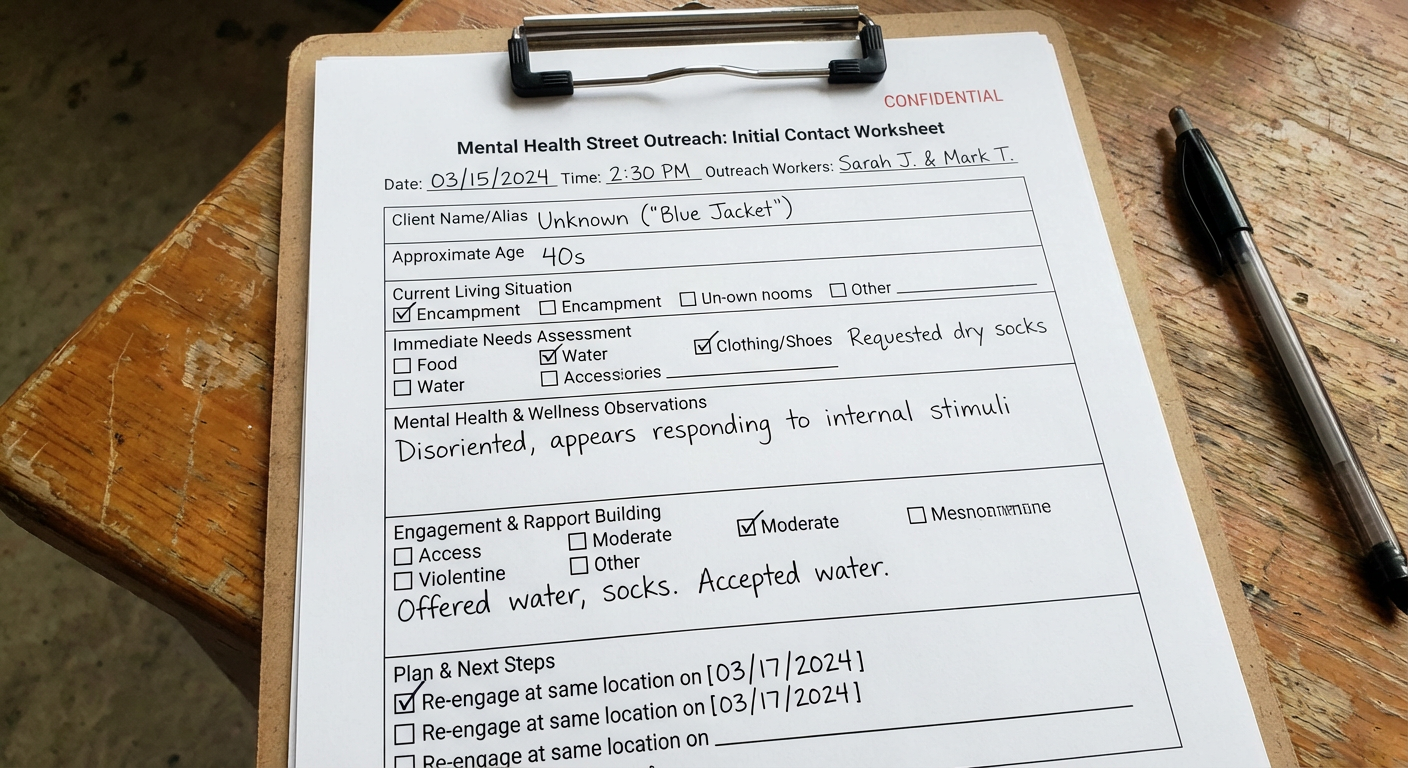
Initial contact lays the foundation for subsequent engagement and support. Beyond providing assistance, it is essential to foster an environment in which individuals feel secure and respected. Appropriate tools, such as the mental health street outreach initial contact worksheet, guide professionals in ensuring that this first interaction is both effective. This article examines strategies for navigating early interactions in mental health street outreach, emphasizing their importance in fostering trust and understanding within communities. The following sections detail the elements that contribute to impactful initial contact. Health Street Outreach!
The Importance of Initial Contact
During this first encounter, establishing a safe space is crucial. Individuals experiencing mental health challenges often feel vulnerable and wary of outsiders. By approaching with empathy, outreach workers can help alleviate those fears.
This moment also serves as an opportunity to assess immediate needs and barriers. Understanding a person’s background or current situation allows for more tailored support moving forward.
Moreover, initial contact lays the groundwork for trust. Building rapport encourages individuals to open up about their struggles, which is essential for effective intervention and support.
In many cases, it’s not just about providing resources; it’s about being a compassionate presence in someone’s life during a critical time.
Preparing for Initial Contact: Understanding the Individual’s Needs
Before approaching someone, it is important to research the common challenges faced by individuals living on the streets. Familiarity with barriers such as housing instability or substance use, which can significantly impact mental health, is essential. Recognizing verbal and non-verbal cues allows you to gauge comfort levels and tailor your approach accordingly.
Apply trauma-informed care principles during interactions. Emphasize safety, choice, and collaboration. Show respect for individual autonomy and empower individuals to state their needs.
Building connections is most effective when grounded in genuine curiosity about each individual’s circumstances, rather than assumptions. This approach establishes the basis for meaningful dialogue and effective support.
Building Trust and Establishing Rapport
Consistency in presence is important. Individuals are more likely to engage when they meet familiar outreach workers. Respect personal boundaries while remaining approachable. Honor varying comfort levels to foster mutual respect. Sharing personal experiences or common interests can bridge gaps and build rapport.
Follow through on promises made during conversations. If you say you’ll check back or provide resources, make sure to do so promptly. Trust grows when individuals know you are reliable and genuinely care about their well-being.
Assessing for Potential Mental Health Issues
Initial assessment should include observation of behavior and body language. Indicators such as distress, withdrawal, or agitation may suggest underlying mental health challenges.
Engagement should be conducted gently, utilizing open-ended questions to encourage individuals to express themselves freely. This approach promotes honesty and openness regarding t

heir experiences.
Active listening is key during assessment. Validate their experiences and show empathy to build trust. Outreach workers should watch for symptoms like anxiety, depression, or psychosis. Early identification of these signs allows timely support.
Recognizing the uniqueness of each individual’s journey is essential. Tailoring outreach strategies to individual responses enhances the effectiveness of support provided.
Providing Support and Resources
Immediate assistance, such as providing food, water, or hygiene products, can help establish a sense of security and demonstrate genuine concern for individuals’ well-being.
Introduce mental health resources tailored to the individual. These may include local shelters, counseling services, or crisis hotlines.
Providing printed materials outlining available services can serve as reminders of support options after initial contact.
Encouraging individuals to explore resources at their own pace fosters independence and builds confidence in seeking assistance.
Follow-Up and Ongoing Care
Regular check-ins demonstrate that support continues beyond the initial encounter.
During follow-up, assess any changes in individual needs. Listen attentively to adjust support as required.
Ongoing care can include connecting individuals with counseling services, housing help, or community programs. Providing information empowers people to take steps for better well-being.
Establishing a consistent presence fosters stability and shows genuine concern for individuals’ progress toward improved mental health and recovery.
Conclusion
Assessment of potential mental health issues during initial encounters is crucial, as it enables outreach workers to provide appropriate resources and support. Consistent follow-up demonstrates ongoing care and reinforces the relationship established during the initial contact.
Compassion serves as the guiding principle in mental health street outreach. This approach benefits individuals and contributes to community well-being. Each connection established has the potential to inspire hope and facilitate change.