
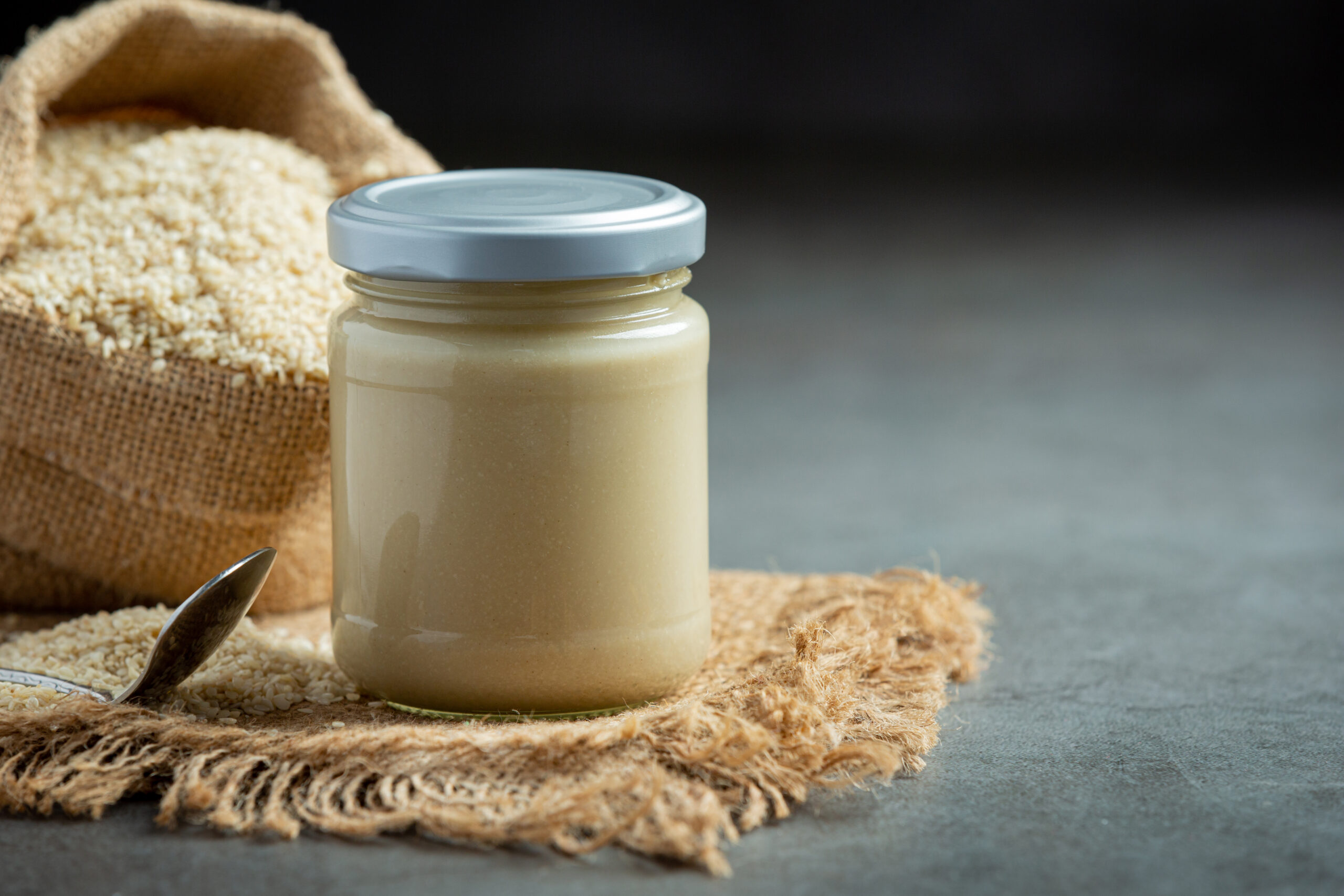
Tahini, also known as tahina, is a nutrient-dense paste produced from toasted and ground sesame seeds. It serves as a foundational element in Middle Eastern and Mediterranean cuisines and has recently gained global recognition as a versatile superfood. This creamy, savory spread functions both as a stand-alone condiment and as a key ingredient in internationally recognized dishes such as hummus and baba ghanoush. Common culinary uses include drizzling over toast, blending into salad dressings, or stirring into yogurt to create a quick dip.
The Production Process
The production of tahini closely resembles that of peanut butter, utilizing sesame seeds as the primary ingredient. The process begins with the careful selection of high-quality sesame seeds, which are soaked in water and then crushed to separate the outer shells from the kernels. The inner seeds are subsequently dried and lightly toasted to enhance their flavor. The toasted seeds are then ground into a smooth, creamy paste. Tahini made from hulled seeds is lighter in color and milder in taste, whereas tahini produced with unhulled seeds is darker, more bitter, and contains higher levels of calcium.
Nutritional Profile and Health Benefits
Tahini is prized for its impressive nutritional density. It is an excellent source of healthy monounsaturated and polyunsaturated fats, which help lower bad cholesterol and support heart health. Monounsaturated fats can help reduce inflammation and support cell growth, while polyunsaturated fats provide essential fatty acids, such as omega-3 and omega-6, that are important for brain function and body systems. Furthermore, tahini provides a substantial amount of plant-based protein, which helps build and repair tissues, as well as fiber that supports digestive health. It is also a rich source of essential minerals, including:
- Calcium and Phosphorus: Vital for bone density and strength.
- Iron: Necessary for oxygen transport in the blood.
- Copper and Selenium: Key antioxidants that support the immune system and reduce inflammation.
- Sesamin and Sesamolin: Unique lignans found in sesame seeds that may help lower cholesterol and protect the liver from oxidative damage.
Culinary Applications
In addition to serving as a base for sauces, tahini’s nutty, earthy, and slightly bitter flavor profile makes it a distinctive ingredient in both savory and sweet culinary applications.
- Savory Sauces: A classic “Tarator” sauce is made by whisking tahini with lemon juice, minced garlic, and ice water until it emulsifies into a pale, creamy dressing. For a quick, easy dip at home, mix tahini with lemon juice and a splash of water, then season with a pinch of salt. This is traditionally served over falafel, grilled meats, or roasted vegetables.
- Baking and Sweets: Tahini has gained popularity in contemporary baking due to its high oil content, which imparts moisture to cookies and brownies. Its savory undertones complement the sweetness of ingredients such as maple syrup or honey. Additionally, tahini is the primary component of Halva, a dense, crumbly confection widely consumed in the Levant and Eastern Europe.
- Dairy Substitute: Owing to its creamy consistency, tahini is frequently utilized in vegan cuisine as a replacement for cream or butter in soups and dressings.
Selection and Storage
When purchasing tahini, the best varieties often come from regions known for high-oil sesame seeds, such as Ethiopia or Sudan. The texture should be pourable and smooth, rather than thick and chalky. Because of its high oil content, natural separation occurs: the oil rises to the top of the jar and must be stirred back in before use. To prevent natural oils from turning rancid, store opened jars in a cool, dark place or in the refrigerator. Once opened, tahini typically stays fresh for up to three to six months if refrigerated. Signs that tahini has spoiled include a sour smell, a bitter or off taste, or visible mold. If any of these are present, it is best to discard the jar.